Iron Man suit flight calculator: how much fuel would it take to fly you?
Short answer
For an 80 kg wearer in the lightest suit that is both rifle-proof and able to fly (236 kg), a 10-minute hover takes about 92 kg of jet fuel and 10 jet engines. An hour takes 1,158 kg, 79% of the takeoff mass, which is why every real jet suit flies for minutes.
80 kg
The suit
236 kg with its engines. Rifle-rated armor, a powered frame, life support and engines: the lightest real suit that is both armored and able to fly.
10 minutes
Fuel to carry
92 kg
116 litres of jet fuel
Takeoff mass
408 kg
you + suit + fuel
Fuel share
23 %
of the takeoff mass
Thrust to hover
4,007 N
at takeoff
Jet engines
10
JetCat P400-PRO, 425 N each
Fuel burn
13.1 L/min
at takeoff
23% of the takeoff mass is fuel: heavy, but in the range real jet suits fly with.
How the calculator works
To hover, the suit has to push down as hard as gravity pulls: thrust equals mass times 9.81 newtons per kilogram. The engine is the JetCat P400-PRO, the class of microturbine real jet suits fly on, which makes 425 N and burns 0.157 kg of fuel per newton of thrust per hour.
Because a hovering suit burns fuel in proportion to its weight, and gets lighter as it burns, its mass falls exponentially. The time constant works out to about 39 minutes, and the hover time is 39 minutes times the natural log of takeoff mass over landing mass. The size of the suit cancels out: endurance depends only on the engine's efficiency and on what share of the takeoff mass is fuel.
The suit masses include their engines. The engine count is what it takes just to hover at takeoff; climbing and turning need more. Every step is worked through by hand in Could the Iron Man suit really fly?, where the suit masses come from the weight guide. For classroom versions of these problems, see the Iron Man suit physics worksheet.
Worked answers
- How much fuel would an Iron Man suit need to fly for an hour?
- About 1,158 kg (1,448 litres) of jet fuel for an 80 kg wearer in a 236 kg armored suit: 79% of its 1,474 kg takeoff mass. Hover time grows only with the logarithm of the fuel load, so an hour needs the takeoff mass to be about 4.7 times the landing mass.
- How many jet engines would it take to lift an Iron Man suit?
- Fueled for 10 minutes, an armored suit and its 80 kg wearer weigh about 408 kg, which takes 4,007 N of thrust to hover: 10 JetCat P400-PRO microturbines at 425 N each, before any margin to climb or turn.
- How long can a real jet suit fly?
- Minutes. Gravity Industries' 27 kg jet suit with an 80 kg pilot needs about 31 kg of fuel for 10 minutes of hover, close to the 40 litres (32 kg) it really carries; recorded flights last 4 to 10 minutes.
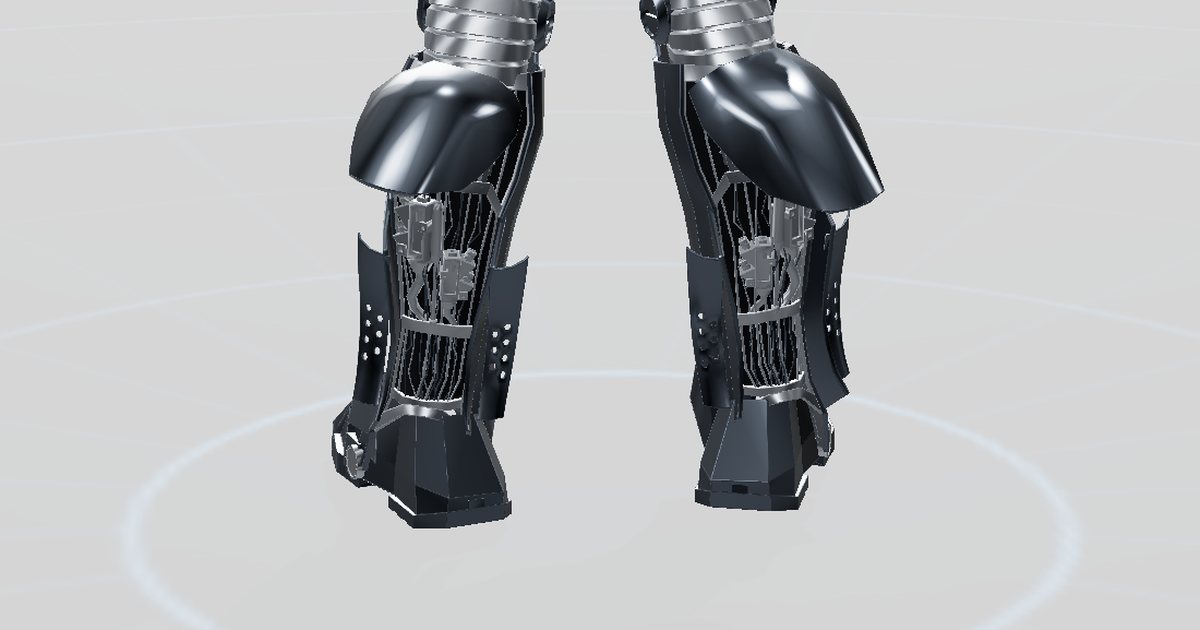
See the boots, back and palms where the thrust would come from in the interactive 3D teardown.